In our modern throwaway culture, the default response to a scuffed, dirty, or separated pair of shoes is often to toss them into the trash bin and order a replacement online. However, with escalating footwear retail prices, flourishing secondary resale markets, and increasing environmental consciousness, repairing footwear has emerged as both a smart financial decision and an essential sustainable practice. But is every pair of worn shoes worth saving? Here is how to evaluate whether your footwear should head to the spa or the recycling bin.
The 4 Tiers of Footwear Valuation
1. High-Value Grails & Collectibles ($300 – $2,000+ Market Value)
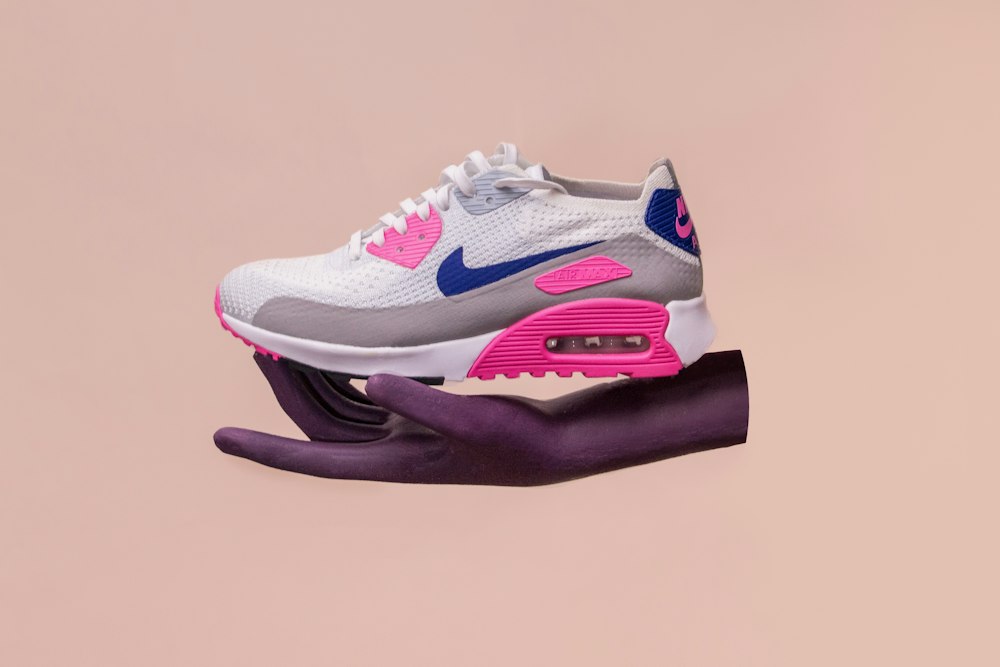
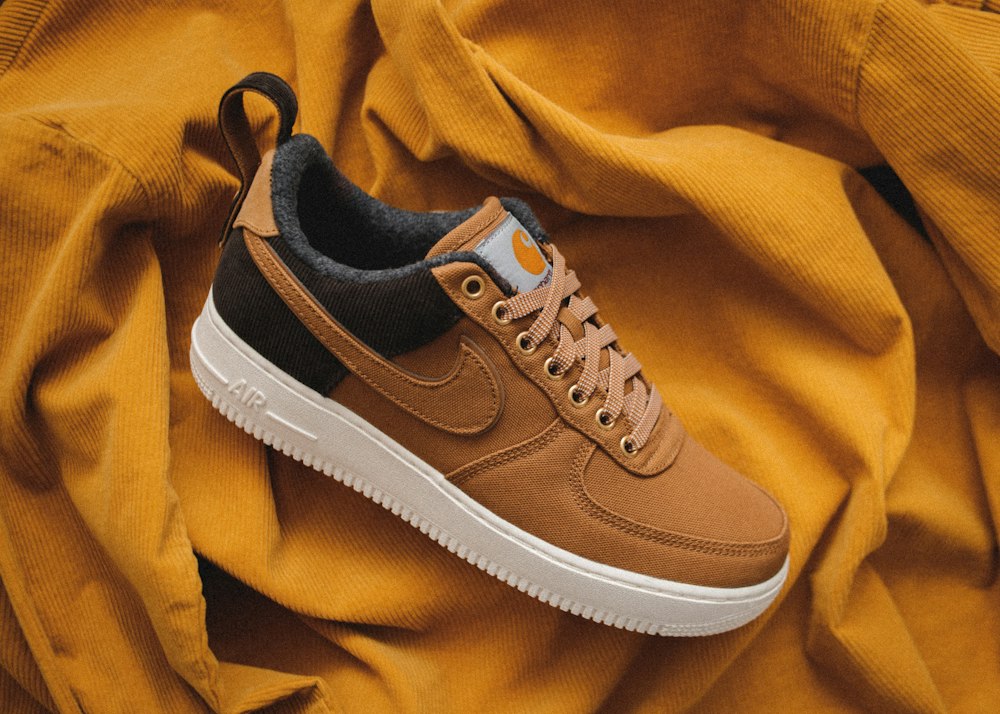
If you own retro Air Jordans, Off-White Nikes, Travis Scott collaborations, or vintage Nike Dunk SBs, professional restoration is almost always a no-brainer. Spending $40 to $120 on professional deep cleaning, sole re-gluing, and unyellowing can easily protect or increase resale value by $200 to $500+. Even beaters in this category retain significant intrinsic value when properly restored.
2. High-Fashion & Designer Footwear ($600 – $1,500 Retail)
Luxury silhouettes from Gucci, Balenciaga, Prada, Golden Goose, and Dior are crafted from high-grade calfskins and durable leathers. Replacing a $950 pair of designer sneakers simply because of heel scuffs or dirty soles is financially wasteful. A complete spa restoration returns them to pristine runway condition for less than 10% of their replacement price.
3. Heritage Work Boots & Leather Classics ($150 – $350 Retail)
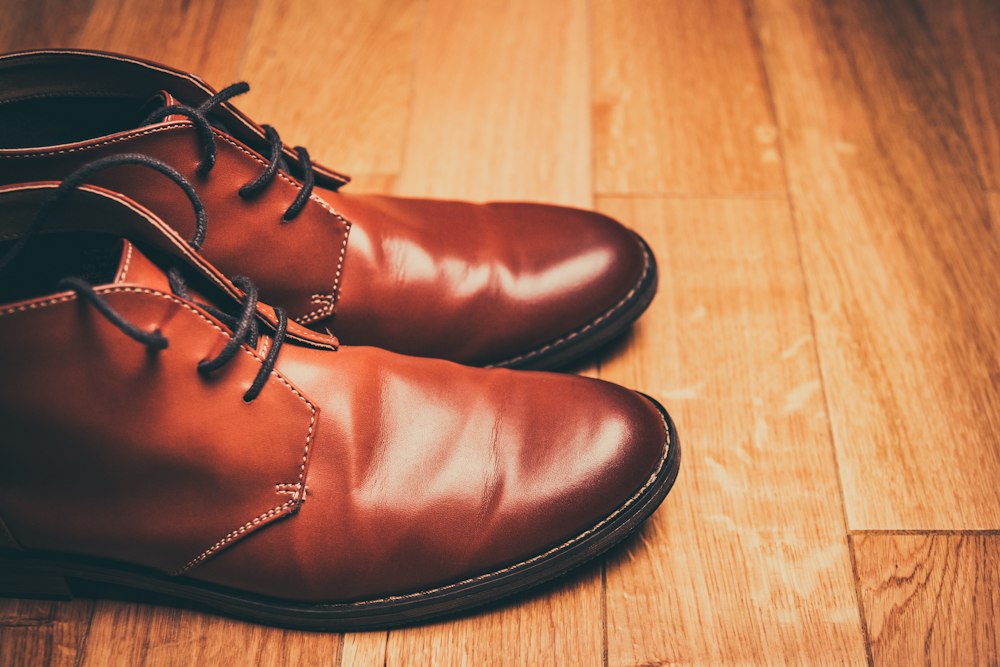
Boots like Timberlands, Red Wings, Doc Martens, or premium New Balance Made in USA runners are engineered specifically to be rebuilt. Their thick hides and sturdy welted constructions mean that a deep clean, salt removal, and leather reconditioning will easily add 3 to 5 additional years of comfortable wear.
4. Mass-Market Gym Runners & Budget Everyday Shoes ($50 – $80 Retail)
Basic foam gym shoes or beat-up budget runners that have suffered collapsed arch support or worn-through rubber outsoles (where your sock is touching the pavement) are generally not economically viable to rebuild. When the internal biomechanical cushioning has permanently collapsed, replacement is recommended for foot health.
The Ecological Impact: Keep Kicks Out of Landfills
Over 300 million pairs of shoes are thrown away in the United States every year, with the vast majority ending up in municipal landfills. Because athletic shoes are constructed with complex combinations of ethylene-vinyl acetate (EVA), polyurethane, synthetic rubbers, and petro-chemical adhesives, a single sneaker takes between 30 and 40 years to decompose. Restoring and extending the life of your existing collection directly slashes plastic waste and manufacturing carbon footprints.
Get an Honest Assessment from Sneaker Spa Chicago
We pride ourselves on absolute transparency. If a pair is structurally beyond saving or if repair costs exceed the shoe's replacement value, our technicians will tell you upfront. Drop by our Bridgeview shop or submit photos online for an honest, expert appraisal of your footwear.
Let Sneaker Spa Chicago Restore Your Kicks
Avoid the risks of chemical burns, glue separation, or dye bleeding. Drop off your pair at 7510 S Harlem Ave in Bridgeview or take advantage of our insured mail-in service.