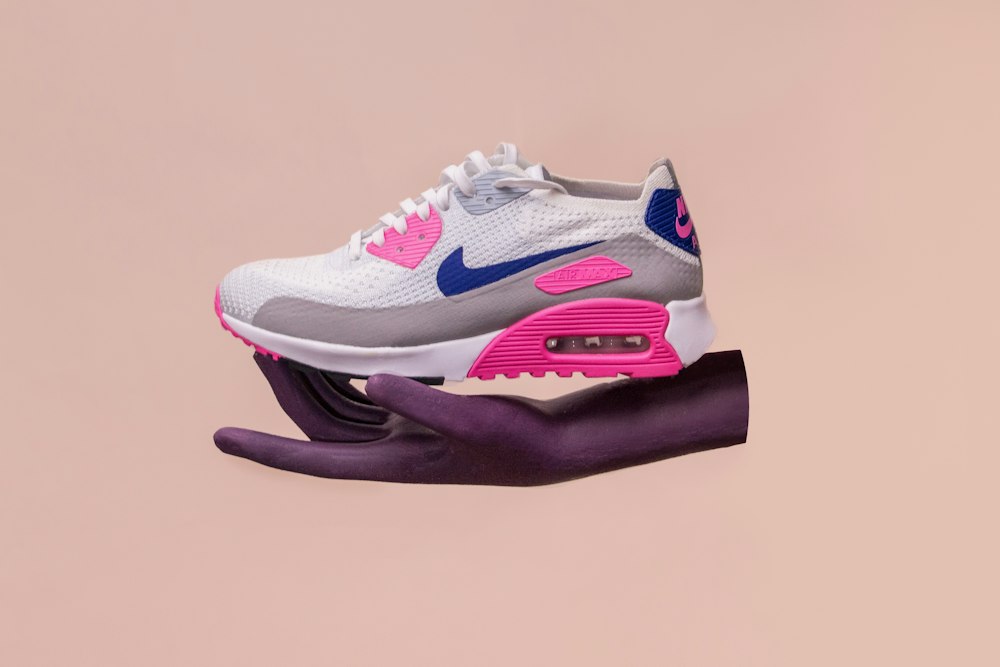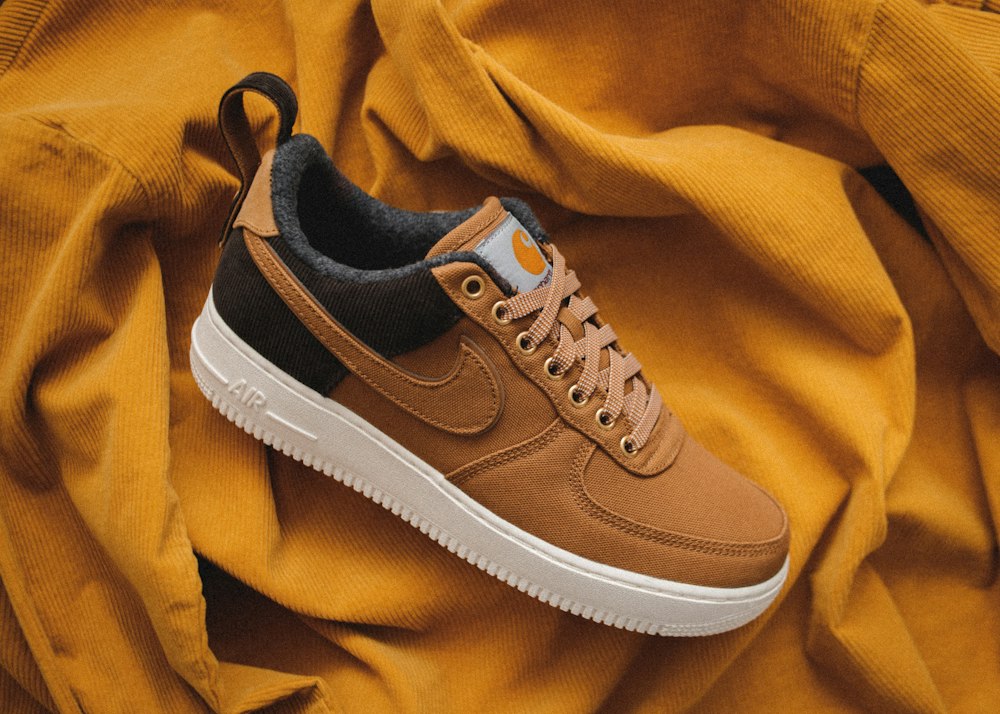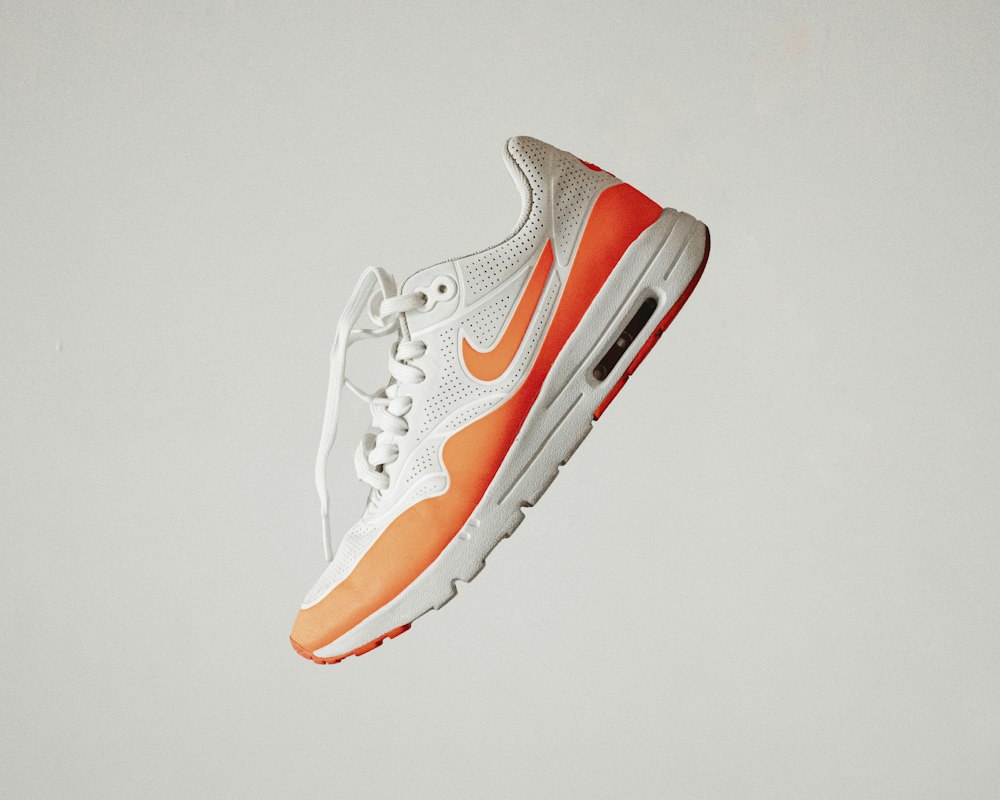
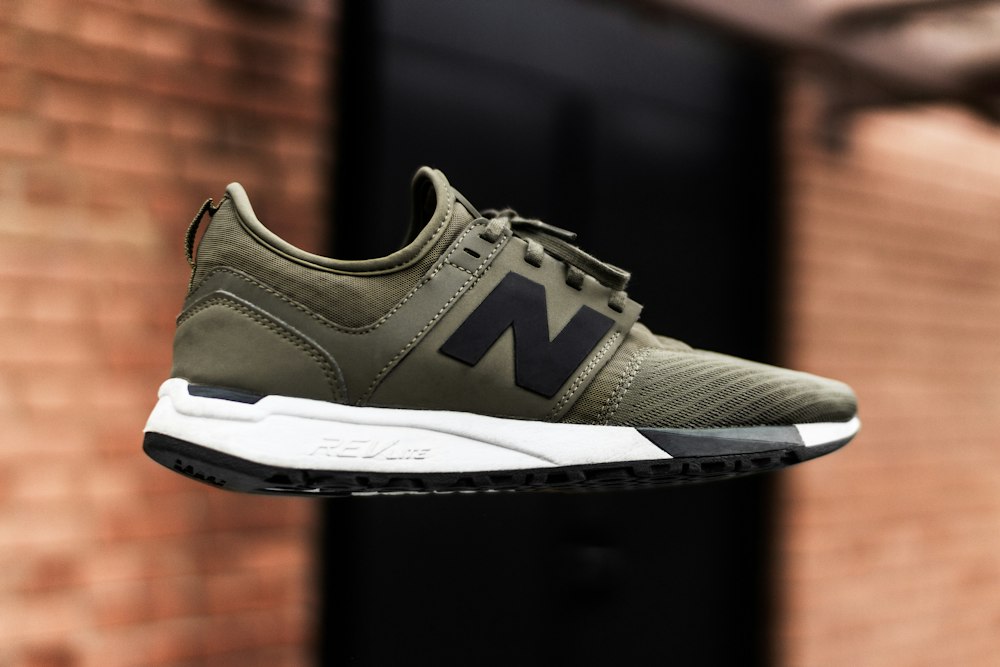
It is the ultimate heartbreak of the vintage sneaker collector. You spend years tracking down a deadstock, unworn pair of original 1999 Air Jordan 4 White Cements or 1995 Air Max 95s in their original box. You eagerly pull them out of the tissue paper, lace them up, take two steps, and look down in horror: the midsoles have exploded into a chalky cloud of yellow powder, leaving the leather upper flapping in the wind. This catastrophic failure is known throughout the footwear world as polyurethane hydrolysis—and understanding it is essential for anyone collecting or archiving footwear.
The Irony of Deadstock Storage
One of the most counterintuitive realities of sneaker collecting is that shoes stored in their boxes unworn degrade substantially faster than shoes worn regularly. When a shoe is worn, your body weight compresses and decompresses the foam cells like a bellows, expelling stagnant, humid air and preventing moisture pockets from settling. Furthermore, mechanical compression keeps the polyurethane polymer chains flexible and active.
The Deadliest Storage Mistakes
- Shrink-Wrapping Shoes (The Vacuum Trap): Sealing shoes in airtight plastic shrink-wrap traps ambient moisture against the foam, accelerating hydrolysis. Furthermore, as the plastics off-gas volatile organic compounds, the trapped gases accelerate yellowing of outsoles and dissolve upper cements.
- Attic and Basement Storage: Basements in Illinois feature high relative humidity (above 65%), accelerating water-vapor breakdown. Attics, conversely, experience extreme summer heat spikes (exceeding 120°F), which melts thermoplastic adhesives and degrades rubber vulcanization.
- Direct Fluorescent and Sunlight Exposure: Ultraviolet light degrades pigments, breaks down synthetic adhesives, and turns clear outsoles cloudy brown.
The Ideal Archival Storage Blueprint
For collectors seeking to preserve holy grails for decades:
- Maintain 40% to 50% Relative Humidity: Use sealed drop-front display cases with rechargeable silica gel desiccant packs. Too much humidity triggers hydrolysis; zero humidity (below 20%) will dry out and crack leather uppers.
- Climate Control (60°F to 68°F): Store footwear in temperature-stabilized residential environments away from exterior walls and heating registers.
- Rotate Footwear: Slip on your vintage kicks every 3 to 4 months for a gentle walk around carpeted indoor floors to flex the foam cells and release trapped vapor.
What If the Soles Have Already Crumbled?
Once polyurethane has hydrolyzed, chemical restoration is impossible. The only viable path to making the footwear wearable again is a professional Sole Swap. At Sneaker Spa Chicago, we specialize in sourcing donor midsoles, precision hand-stitching lasting boards, and bonding modern EVA-based replacements so you can rock vintage grails with total confidence.
Let Sneaker Spa Chicago Restore Your Kicks
Avoid the risks of chemical burns, glue separation, or dye bleeding. Drop off your pair at 7510 S Harlem Ave in Bridgeview or take advantage of our insured mail-in service.