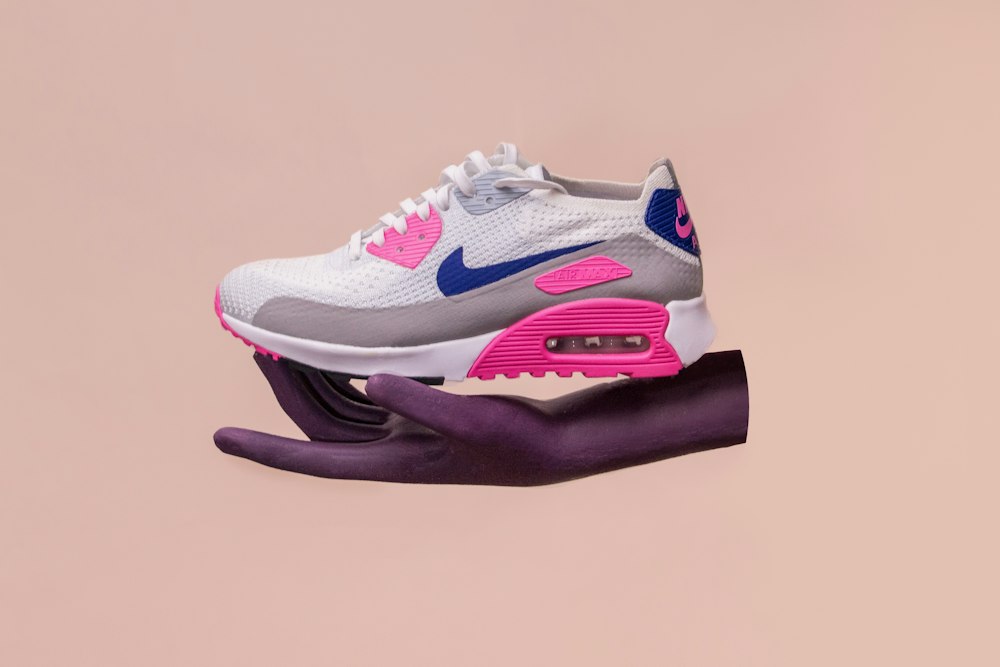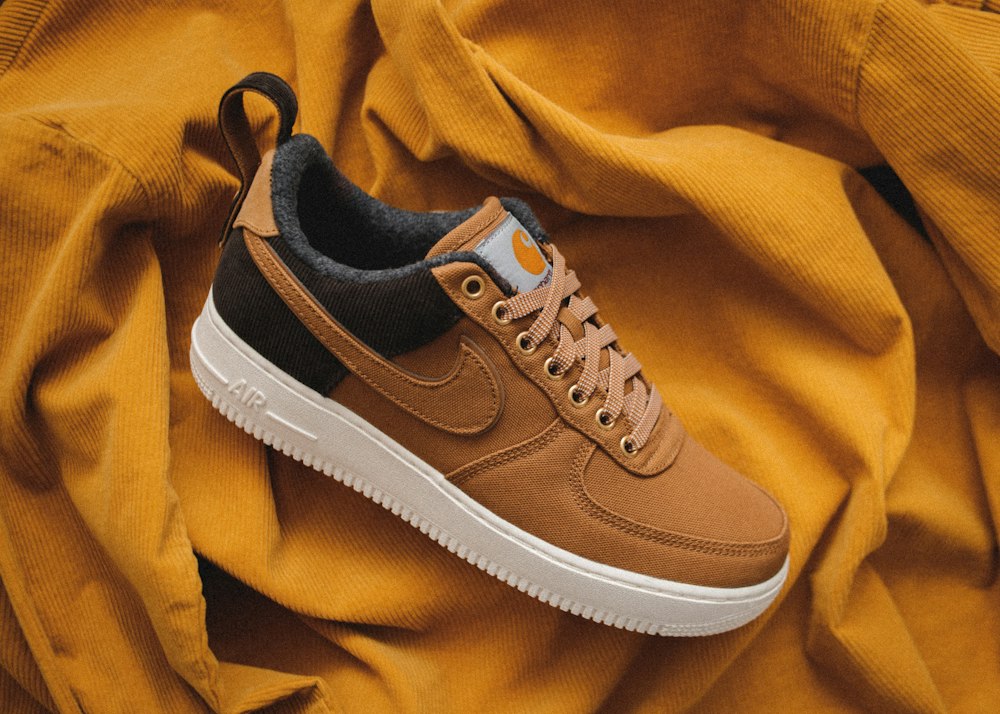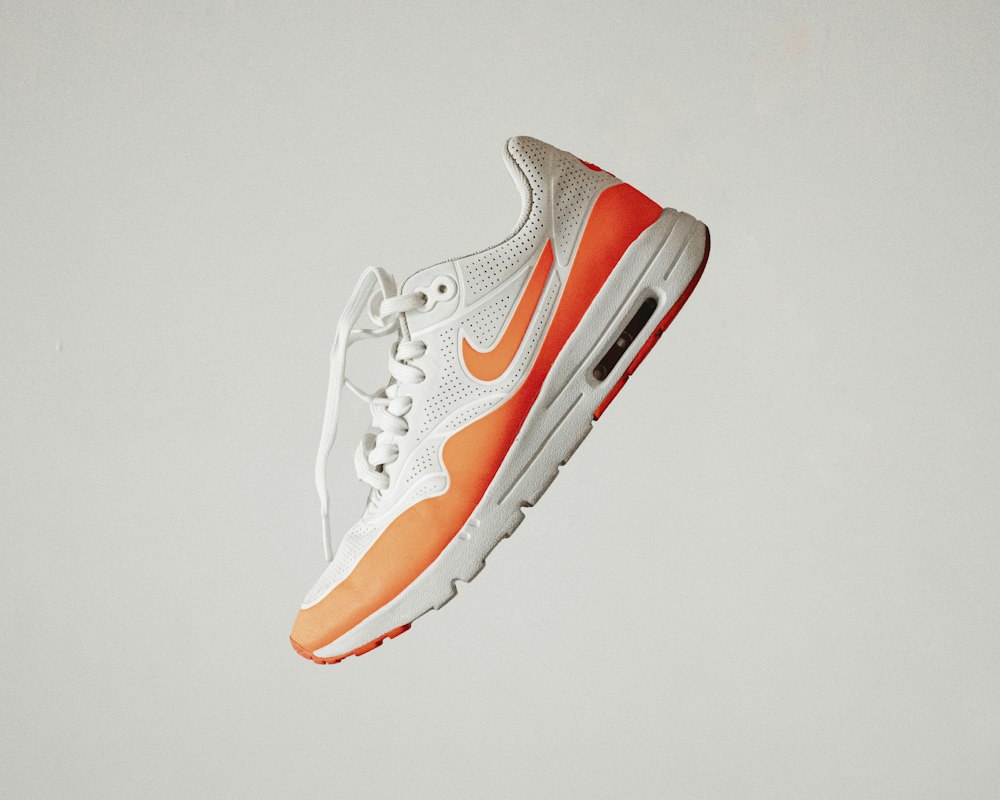
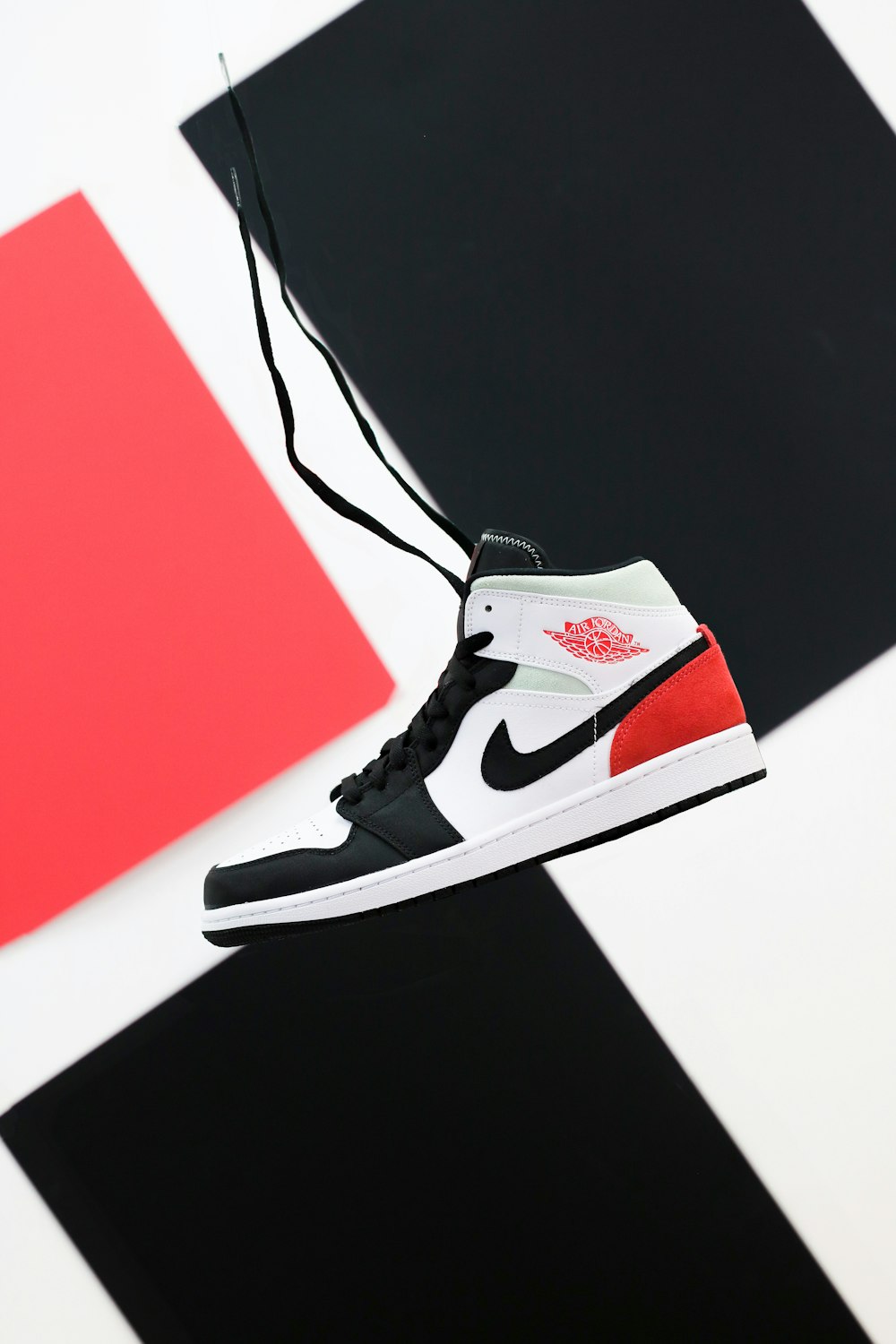
If you own classic silhouettes with painted midsoles—such as the Air Jordan 3, Air Jordan 4, Nike Air Max 1, or retro runner designs—you are undoubtedly familiar with the dreaded "spider-web crack." Polyurethane foam compresses and rebounds with every single step you take. Factory acrylic paints eventually lose their elasticity over time, turning brittle. When the foam flexes, the paint fractures into ugly white lines, flakes away in fingernail-sized chunks, and reveals the dull raw substrate underneath. Fortunately, professional repainting can restore a factory-flawless finish that actually flexes with your stride.
The Step-by-Step Midsole Restoration Workflow
Step 1: Chemical Paint Stripping
Using 100% pure acetone and cotton rounds, gently rub the cracked paint until it dissolves and lifts away. For stubborn factory coatings, use 800-grit wet sandpaper lubricated with isopropyl alcohol to feather the edges smooth. The goal is to strip the paint down to the raw polyurethane foam without gouging or pitting the soft foam structure.
Step 2: Masking with Surgical Precision
Crisp, razor-sharp paint lines separate amateur customizers from master craftsmen. Use high-performance flexible automotive vinyl tape (such as 3M fine-line tape) along the border between the midsole and the leather upper or rubber outsole. Vinyl tape stretches around complex three-dimensional curves without wrinkling, preventing paint bleed.
Step 3: Adhesion Promotion (The Secret to Durability)
Polyurethane and EVA are slick, low-surface-energy plastics that resist paint adhesion. Applying a thin coat of specialized plastic adhesion promoter or flexible adhesion primer creates a molecular bridge that chemically bonds the new acrylic pigments directly to the foam.
Step 4: Custom Color Matching
White is never just white. A 1989 Jordan 4 White Cement features a subtle cool-gray undertone; a 2016 Retro features a warmer cream tint; a modern release may be bright optical white. Professional artists mix high-pigment acrylic leather paints with microscopic drops of raw umber, yellow ochre, and phthalo blue until the color match is indistinguishable under daylight.
Step 5: Thin Coats with Flexibility Additives
Mix your acrylic paint with a dedicated synthetic 2-Soft or flex-agent additive at a 1:1 ratio. This ensures the cured paint polymer maintains a rubbery elasticity that flexes thousands of times without fracturing. Apply between 3 to 5 paper-thin coats using a dual-action airbrush or ultra-soft synthetic flat brush, allowing 15 minutes of flash drying between each layer.
Step 6: Factory Matte or Satin Clear Topcoat
Seal the paint with a urethane clear coat formulated with UV inhibitors. This protects against road scuffs, water intrusion, and sunlight fading while establishing the exact factory-original sheen level (Matte, Factory Satin, or Gloss).
Tired of chipped paint ruining your favorite retros? Let our certified artists at Sneaker Spa Chicago restore your sneakers with our industry-leading color-matching warranty.
Let Sneaker Spa Chicago Restore Your Kicks
Avoid the risks of chemical burns, glue separation, or dye bleeding. Drop off your pair at 7510 S Harlem Ave in Bridgeview or take advantage of our insured mail-in service.