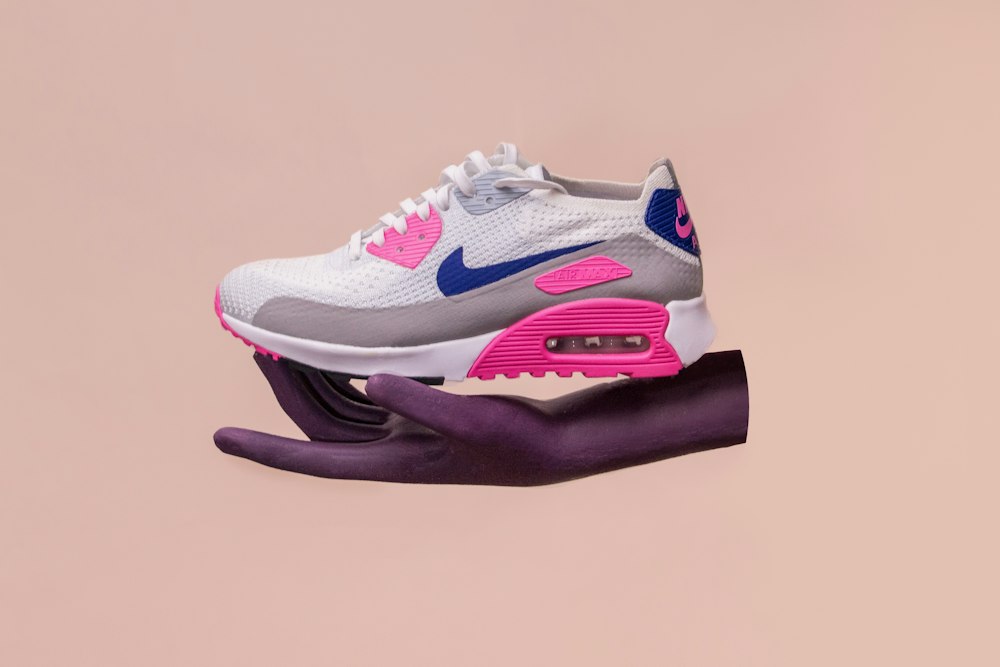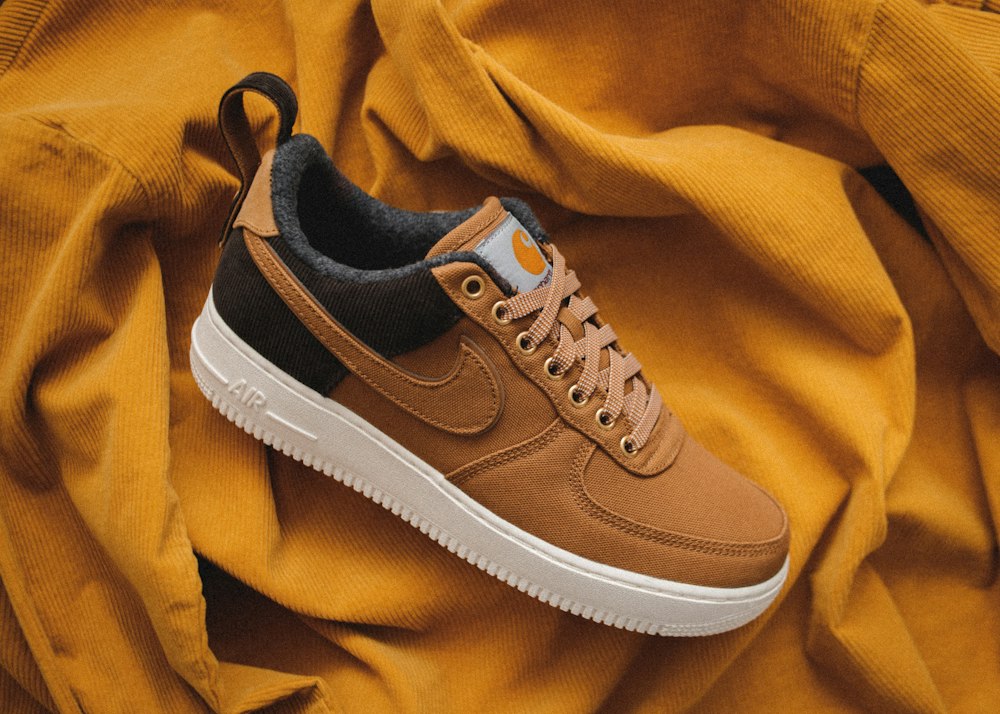
Whether you're rocking pristine Air Force 1s, Common Projects Achilles Lows, or retro Jordan 1 Chicagos, leather is the undisputed king of premium sneaker materials. When properly nourished, leather molds to your foot, develops a gorgeous vintage patina, and lasts for decades. But when neglected, leather behaves exactly like dry, chapped skin: it stiffens, forms micro-fractures, and eventually splits wide open along high-flex points. Once leather fibers physically tear, no cream can stitch them back together. Prevention through disciplined hydration is everything.
Understanding Modern Sneaker Leather
Most modern athletic sneakers do not feature naked, vegetable-tanned leather. Instead, they use chrome-tanned cowhide finished with a micro-thin polyurethane pigment coating (frequently called "corrected grain" or coated leather). This protective synthetic topcoat provides vibrant color and stain resistance, but it also creates a barrier that prevents cheap petroleum-based shoe waxes from penetrating. Using heavy shoe polish designed for army combat boots will simply create a greasy, dirt-attracting film on your sneakers.
The Best Conditioners for Athletic Footwear
- Lanolin & Beeswax Creams: Lanolin is natural wool lipid that penetrates coated leathers exceptionally well, softening rigid hides without clogging pores.
- Neatsfoot Oil (Pure, Non-Compound): Excellent for deep softening of ultra-thick, stiff vintage leathers, though it must be used sparingly to prevent darkening light colors.
- Mink Oil Paste: Provides supreme water-resistant protection and deep conditioning, ideal for combatting Chicago’s wet spring and fall seasons.
The 4-Step Leather Rehydration Routine
- Thorough Surface Purification: Clean the leather thoroughly with a mild, glycerin-based saddle soap or pH-neutral sneaker shampoo. Remove all embedded grime and pore-clogging dirt so the conditioner can penetrate.
- Warm Towel Compress (Cobbler Secret): Lay a clean towel soaked in warm (not boiling) water over the shoes for two minutes. The gentle warmth and humidity expand the leather pores and relax the polyurethane topcoat.
- Circular Finger Massage: Apply a dime-sized amount of conditioner using your fingertips or a soft horsehair dauber brush. The warmth of your skin melts the natural waxes, allowing them to seep deep into the grain. Focus extra attention on the vamp (toe flex zone) and heel counter.
- Rest and Buff: Allow the shoes to absorb the nutrients for at least two hours (or overnight). Take a clean, dry horsehair brush and buff vigorously. The rapid friction produces a lustrous, factory-fresh satin sheen while stripping off any unabsorbed excess balm.
For sneakers with existing surface peeling or deep creases, visit our Bridgeview workshop for precision leather resurfacing and pigment re-application.
Let Sneaker Spa Chicago Restore Your Kicks
Avoid the risks of chemical burns, glue separation, or dye bleeding. Drop off your pair at 7510 S Harlem Ave in Bridgeview or take advantage of our insured mail-in service.