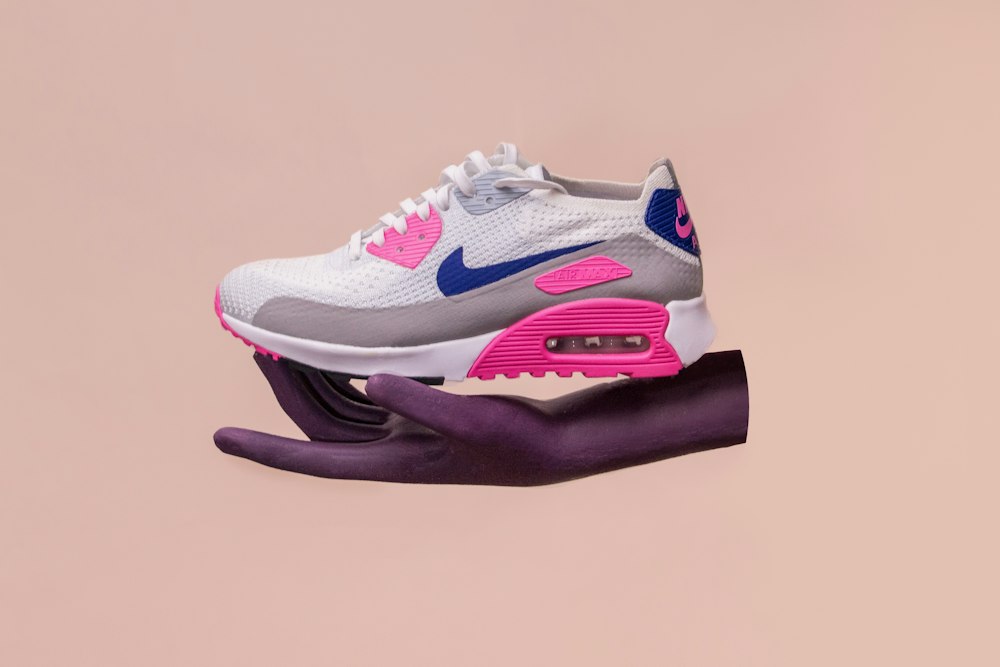
When Adidas introduced Primeknit and Nike debuted Flyknit over a decade ago, athletic footwear was revolutionized. Technical woven fabrics provide sock-like comfort, ultra-breathable airflow, and featherlight weight. Iconic kicks like the Yeezy Boost 350, Ultraboost, Nike Flyknit Racer, and New Balance 1906R rely heavily on these woven textiles. However, technical knits possess one massive downside: their porous, open-weave structure acts like a microscopic sponge, pulling mud, grease, and street dirt deep into the core of the yarn fibers.
The Perils of the Washing Machine Trap
The most common advice on the internet is to "just throw them in the washing machine." While an occasional cold, gentle cycle inside a padded pillowcase can work for beat-up gym runners, doing this with prized sneakers frequently leads to disaster:
- Violent agitation tears delicate knit loops, causing unsightly snags and frayed threads.
- Detergent residue remains trapped inside internal foam padding, turning yellow when exposed to sunlight.
- Hot water instantly melts thermoplastic glue holding the eyelets and sole together.
- Tumble dryers shrink knit fabrics, permanently reducing the shoe by a full size.
The Professional Hand-Washing Technique for Knit Uppers
Step 1: Dry Vacuum & Soft Brushing
Never wet dirty knit shoes immediately! Wetting dry mud turns it into liquid sludge that penetrates deep into the shoe’s interior lining. Begin by clapping the soles together outside to dislodge dried dirt. Use a vacuum hose with a brush attachment or a soft hog-hair brush to pull loose particulate out of the woven loops.
Step 2: Insert a Towel or Plastic Tree
Stuff the sneaker with a dry microfiber towel. This serves two vital purposes: it provides firm resistance against the soft knit so you can clean effectively, and it instantly absorbs excess water from the inside out, keeping the footbed dry.
Step 3: Enzyme Foam Action
Apply an enzyme-based sneaker cleaner that breaks down protein and organic dirt bonds. Using a soft horsehair brush, massage the foam into the knit using light, circular motions. Work in small sections, immediately blotting away the dirt-laden foam with a clean, dry microfiber cloth. Do not use stiff bristle brushes—a single stiff nylon bristle can catch a Primeknit thread and unravel an entire panel.
Step 4: Restoring Stained White Boost Pellets
Expanded Thermoplastic Polyurethane (eTPU), known commercially as "Boost" foam, is notorious for stubborn yellowing and gray staining inside its textured crevices. Standard soap will not whiten oxidized Boost. Use an oil-based white acrylic paint pen or bring the pair to Sneaker Spa Chicago for our specialized peroxide whitening and flexible elastomeric sealant treatment.
Let Sneaker Spa Chicago Restore Your Kicks
Avoid the risks of chemical burns, glue separation, or dye bleeding. Drop off your pair at 7510 S Harlem Ave in Bridgeview or take advantage of our insured mail-in service.